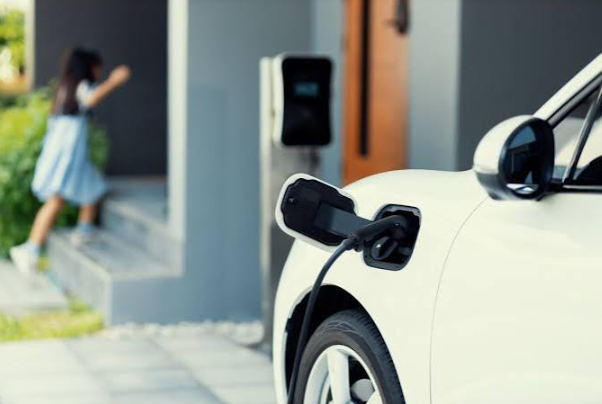
Electric vehicles are becoming an increasingly practical transportation option for homeowners who want convenient charging access and greater control over their daily travel routines. Installing a home charging station can eliminate the need for frequent visits to public charging locations. However, residential charging equipment introduces electrical requirements that should be carefully evaluated before installation.
For Chicago homeowners, preparing existing electrical infrastructure for electric vehicle charging involves understanding available power capacity, identifying potential equipment limitations, and following appropriate installation procedures. Professional electrical planning helps ensure that charging equipment operates safely without placing excessive demand on household circuits.
Understanding the Electrical Requirements of Home Charging Stations
Electric vehicle charging equipment transfers electricity from a residential power supply to a vehicle’s battery.
The electricity required depends on the charging equipment, vehicle specifications, and selected charging settings.
Different charging configurations have different installation requirements.
Level 1 Charging
Level 1 charging generally uses a standard 120-volt residential outlet in the United States.
Although it typically requires less installation work than higher-powered charging equipment, charging speeds are relatively slow.
The outlet and circuit must still be suitable for the charging load.
Level 2 Charging
Level 2 charging commonly operates on a 240-volt electrical supply and can provide faster charging.
Depending on the equipment rating, installation may require a dedicated circuit and additional electrical capacity.
Charging Equipment Compatibility
Homeowners should select charging equipment compatible with their vehicles and electrical installations.
Manufacturer specifications and applicable electrical requirements must be considered before installation.
Why Existing Electrical Capacity Matters
Every residential electrical installation has a limited capacity determined by its service equipment, wiring, and protective devices.
Adding vehicle charging equipment can significantly increase household electricity demand.
A professional evaluation helps determine whether existing infrastructure can accommodate the additional load.
Important considerations include:
- Current household electricity consumption.
- Existing electrical service capacity.
- Available circuit breaker positions.
- Charging equipment power requirements.
- Condition of electrical distribution components.
- Planned future appliances or electrical installations.
A qualified electrician can perform load calculations to determine suitable charging arrangements.
Common Electrical Challenges in Chicago Homes
Chicago contains residential properties built during different periods, and their electrical installations may vary considerably.
Older Electrical Service Equipment
Some older homes contain distribution equipment designed for lower electricity consumption.
Installing high-powered charging equipment may require an assessment of the existing installation.
Limited Garage Electrical Connections
Garages may have outlets suitable for lighting or small appliances but not for higher-powered charging equipment.
A dedicated circuit may be necessary depending on the selected charger.
Insufficient Circuit Space
Certain electrical enclosures may not have available positions for additional circuit breakers.
A professional electrician can evaluate appropriate options.
Long Wiring Distances
The distance between the electrical distribution equipment and the charging location can influence conductor selection, installation methods, and overall project complexity.
Outdoor Installation Conditions
Charging equipment installed outdoors must be suitable for environmental exposure.
Chicago’s seasonal temperature changes, precipitation, and winter weather make proper equipment selection particularly important.
Warning Signs That Existing Electrical Equipment Needs Attention
Before installing additional charging equipment, homeowners should investigate unusual electrical behavior.
Repeated Circuit Breaker Trips
Frequently tripping breakers may indicate overloaded circuits, damaged wiring, or defective appliances.
Burning Odors
A burning smell near electrical equipment can indicate overheating or deteriorating connections.
This condition requires urgent professional attention.
Flickering or Dimming Lights
Persistent lighting fluctuations may result from loose connections, voltage variations, or other electrical problems.
Visible Corrosion
Rust, moisture stains, and other signs of deterioration should be professionally evaluated.
Damaged Electrical Enclosures
Physical damage or missing protective covers can create electrical safety concerns.
Existing defects should be addressed before substantial additional electrical loads are introduced.
When Should Homeowners Consider Electrical Infrastructure Improvements?
Installing electric vehicle charging equipment does not automatically require replacing existing electrical distribution components.
Some properties already have sufficient capacity for appropriately designed charging circuits.
Other homes may benefit from approved load-management systems or charging equipment configured to operate at lower current levels.
However, an electrical panel upgrade Chicago service may be appropriate when the existing equipment cannot safely accommodate the required circuits, contains significant deterioration, or is unsuitable for planned electrical modifications.
A licensed electrician can evaluate the complete installation and determine whether changes to distribution equipment, service capacity, or charging arrangements are necessary.
Important Steps Before Installing a Home Charging Station
Careful preparation helps ensure that charging equipment meets household requirements.
Evaluate Daily Charging Needs
Homeowners should consider their typical driving distance, charging schedule, and vehicle specifications.
These factors help determine the charging speed required.
Arrange an Electrical Load Assessment
A professional load calculation determines whether the existing electrical installation can accommodate the planned charger.
Choose an Appropriate Charging Location
Charging equipment should be positioned where it can be accessed conveniently without creating unnecessary cable hazards.
Review Equipment Specifications
Manufacturer instructions identify electrical ratings, installation limitations, and environmental requirements.
Understand Local Permit Requirements
Electrical installations in Chicago may require permits and inspections depending on the scope of work.
Qualified professionals can help homeowners follow applicable requirements.
How Professional Electricians Install Charging Equipment
Home charging installation involves several important technical stages.
Initial Property Assessment
The electrician examines available electrical infrastructure and identifies a suitable installation location.
Circuit Design
An appropriately rated circuit is planned according to the charger’s specifications and applicable electrical codes.
Equipment Selection
Suitable wiring, protective devices, and charging components are selected for the installation.
Professional Installation
Qualified electricians install the equipment using appropriate safety procedures.
Testing and Verification
After installation, the charging equipment and associated electrical connections are checked for proper operation.
Electrical Safety Tips for Home Charging
Homeowners should follow several important safety practices when using charging equipment.
Use Approved Equipment
Charging devices should meet applicable product safety standards and manufacturer requirements.
Avoid Unsuitable Extension Cords
Electric vehicle charging equipment should not be connected through ordinary extension cords or adapters that are not approved for the application.
Protect Charging Connections
Charging connectors and cables should be protected from physical damage and used according to manufacturer instructions.
Monitor Equipment Conditions
Unusual heat, damaged cables, recurring breaker trips, or charging errors should receive professional attention.
Maintain Proper Access
Electrical distribution equipment and charging installations should remain accessible for inspection and maintenance.
How Smart Charging Can Help Manage Household Electricity Demand
Some modern charging systems include features that allow homeowners to schedule or manage charging activity.
Scheduled Charging
Certain chargers allow charging sessions to begin at selected times.
This feature can help homeowners coordinate charging with household routines or applicable electricity rate schedules.
Adjustable Charging Current
Some charging equipment supports professionally configured current limits.
Lower charging current may reduce demand on the electrical installation, although charging time may increase.
Dynamic Load Management
Compatible energy management systems can adjust charging power based on other household electrical loads.
Such systems must be properly selected and installed according to applicable requirements.
Energy Consumption Monitoring
Some chargers provide information about electricity used during charging sessions.
This information can help homeowners understand vehicle-related electricity consumption.
Why Professional Installation Is Essential
Electrical vehicle charging equipment can draw substantial current for extended periods.
Improper wiring, unsuitable protective devices, and incompatible components can create overheating and electrical safety risks.
Electrical distribution equipment may also contain energized components even when the main breaker is switched off.
Licensed electricians have the training and specialized equipment necessary to evaluate electrical capacity, install appropriate circuits, and verify safe operation.
Professional installation helps ensure that charging equipment complies with relevant electrical codes and manufacturer specifications.
Long-Term Benefits of Proper Charging Infrastructure
A properly planned home charging installation can provide convenience while supporting the safe operation of residential electrical equipment.
Evaluating available capacity before installation helps homeowners select charging equipment suitable for their property’s requirements.
Professional planning can also accommodate future vehicle changes, additional household appliances, and other electrical improvements.
Regular maintenance and prompt attention to equipment problems support dependable charging performance over time.
Conclusion
Preparing a Chicago home for electric vehicle charging requires careful evaluation of electrical capacity, charging equipment specifications, and installation requirements.
Homeowners should understand the differences between charging options, recognize existing electrical warning signs, and consult qualified professionals before installing additional equipment.
With suitable infrastructure, professional installation, and responsible charging practices, residential properties can support convenient electric vehicle charging while maintaining electrical safety and reliability.