Digital money has transformed the way people think about finance, payments, and value exchange. Among all forms of digital currency, Bitcoin stands out as the most well-known and widely discussed. For beginners, understanding Bitcoin and digital money can seem complex, but with the right explanation, the concept becomes much clearer.
What Is Digital Money?
Digital money refers to any form of currency that exists electronically rather than physically. Unlike cash or coins, digital money is stored, transferred, and managed using computers and online systems. Examples include online bank balances, mobile payment systems, and cryptocurrencies. Digital money allows fast transactions and easy access without the need to carry physical currency.
Introduction to Bitcoin
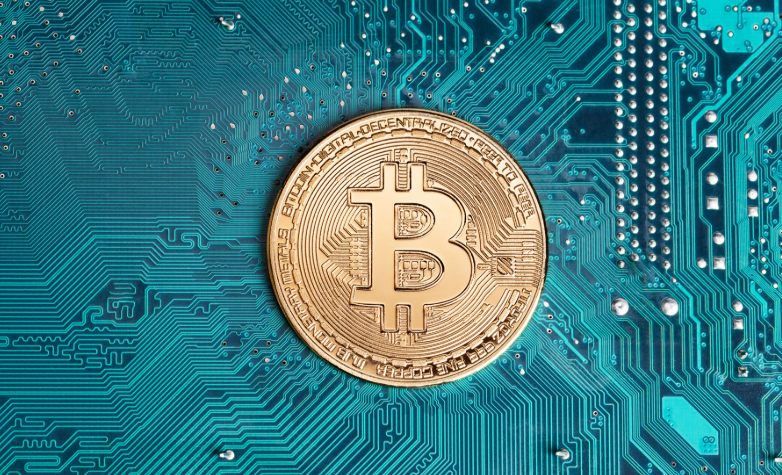
Bitcoin is a type of digital money known as a cryptocurrency. It was created to enable peer-to-peer transactions without relying on banks or central authorities. Bitcoin operates on a decentralized network, meaning no single organization controls it. Instead, transactions are verified and recorded by a global network of computers.
See also: The Most Disruptive Technologies Right Now
How Bitcoin Works
Bitcoin works using blockchain technology, which is a public digital ledger that records every transaction. When someone sends Bitcoin, the transaction is shared with the network and verified through cryptographic methods. Once confirmed, the transaction becomes a permanent part of the blockchain. This process ensures transparency, security, and trust.
What Makes Bitcoin Different from Traditional Money
Traditional money is issued and regulated by governments and central banks. Bitcoin, on the other hand, is created through a process called mining and follows predefined rules written in code. Bitcoin has a limited supply, which helps protect it from inflation. It also allows users to send money globally without intermediaries, making transactions faster and often cheaper.
Bitcoin Mining Explained Simply
Bitcoin mining is the process of validating transactions and adding them to the blockchain. Miners use powerful computers to solve mathematical problems. When a problem is solved, a new block is added, and the miner receives Bitcoin as a reward. This system keeps the network secure and maintains trust among users.
What Is a Bitcoin Wallet?
A Bitcoin wallet is a digital tool used to store and manage Bitcoin. It contains private keys that allow access to funds. Wallets can be software-based or hardware-based. While software wallets offer convenience, hardware wallets provide stronger security by keeping keys offline.
Benefits of Bitcoin and Digital Money
Bitcoin and digital money offer several advantages. They provide faster transactions, lower fees, and financial access for people without traditional banking services. Users have greater control over their funds, and transactions are transparent and traceable. Digital money also supports innovation in online payments and financial technology.
Risks and Challenges for Beginners
While Bitcoin has many benefits, it also comes with risks. Price volatility can cause rapid value changes. Security risks such as scams and hacking require users to be cautious. Understanding basic safety practices and using secure wallets is essential for beginners entering the digital money space.
How Digital Money Is Used Today
Digital money is used for online shopping, international transfers, investment, and savings. Many people view Bitcoin as a long-term investment or store of value. Businesses and individuals continue to explore new ways to use digital currencies in everyday transactions.
The Future of Bitcoin and Digital Money
The future of Bitcoin and digital money looks promising as adoption increases worldwide. Advances in technology and greater awareness are driving innovation. As more people learn about digital finance, Bitcoin is expected to remain a key part of the evolving financial system.
Conclusion
Bitcoin and digital money represent a new era of finance that offers freedom, transparency, and global accessibility. For beginners, understanding the basics of how Bitcoin works and how digital money is used is the first step toward participating in the digital economy. With proper knowledge and caution, digital money can be a powerful financial tool.